
Get in touch with Instant Boxes Hub today for premium custom packaging solutions at competitive prices.
Apparel Bags for Shipping
Get Your Free Quote
Custom Boxes That Save You More Without Compromising Quality
Choose the Right Apparel Shipping Bag
Garment size, thickness, folding method, and shipping conditions influence the right bag for an apparel order. Soft clothing fits naturally inside flexible packaging because the material follows the product without adding unnecessary bulk. Proper dimensions also give folded garments enough room while limiting excess material around the product.
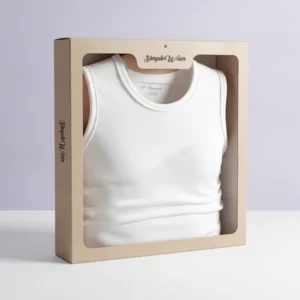
Structured apparel requires a different approach when rigidity and presentation become greater priorities. Apparel boxes provide defined walls for clothing products where maintaining shape and creating a structured unboxing experience matter. Packaging selection should reflect the garment, fulfillment process, presentation goals, and conditions expected during delivery.
Materials for Apparel Shipping Bags
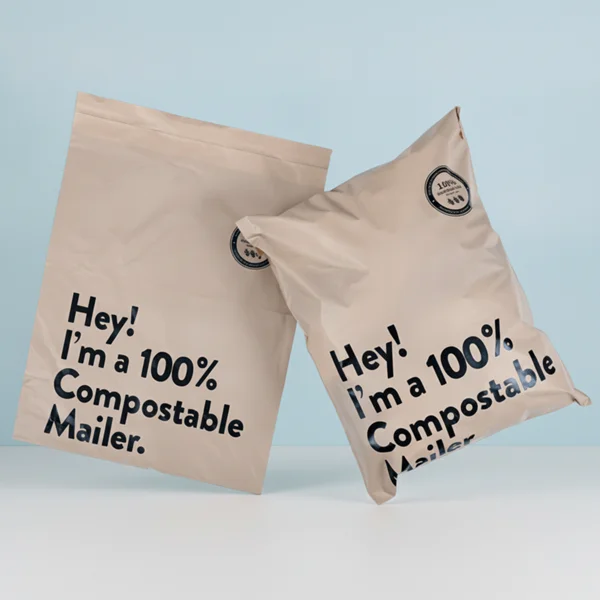
Material selection affects flexibility, handling, appearance, and the way a shipping bag surrounds folded clothing. LDPE, PE, PET, and PVC represent material types associated with flexible apparel packaging, with characteristics that differ according to the final bag construction. The intended application should guide material decisions instead of relying on a single option for every garment.
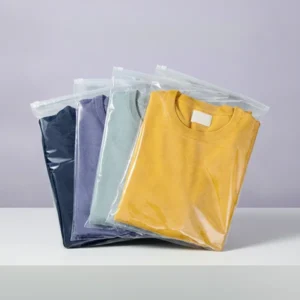
Polyethylene-based packaging is particularly relevant where lightweight and flexible garment containment is important. Polythene bags for clothes provide a closely related format for keeping folded apparel contained during storage, handling, and packing. Bag dimensions and closure configuration should complement the selected material to create practical packaging for the product.
Apparel Shipping Bag Styles
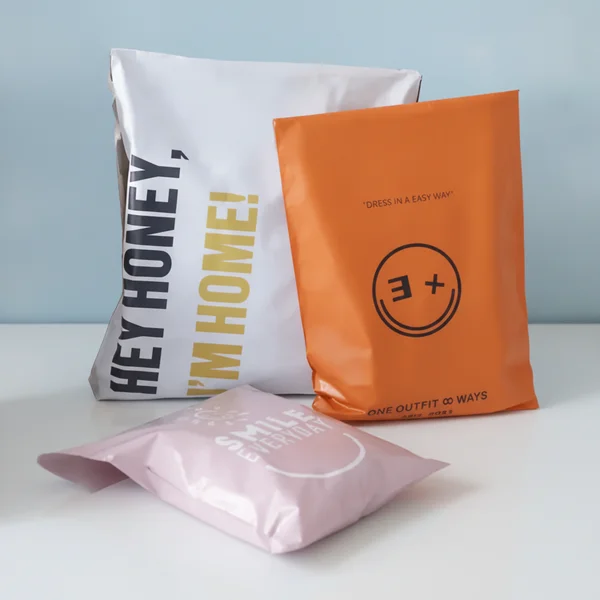
Different bag structures solve different apparel packing requirements, so style selection involves more than visual appearance. Poly mailers provide a flexible outer shipping format for many non-fragile garments, while sealable and resealable bags create different opening and closing experiences. Gusseted bags provide expandable space for thicker or bulkier folded clothing.
Bag style should also reflect how an order moves from packing through delivery. A properly fitted structure keeps excess material under control while leaving enough room to insert and remove the garment comfortably. Garment dimensions, product thickness, closure preference, and shipping purpose provide useful criteria when determining the final structure.
Apparel Shipping Bags vs. Boxes
Shipping bags suit soft garments that do not depend on rigid walls to maintain their form during normal packing and handling. Clothing boxes introduce a structured packaging format where shape, stacking, or a more defined product presentation carries greater importance. Apparel businesses should therefore match the packaging format with the characteristics of the clothing rather than treating every garment alike.
Inner and outer packaging also perform different functions within an apparel shipment. An inner garment bag keeps folded clothing contained, while the outer package handles the broader requirements of fulfillment and delivery. Identifying the purpose of each packaging layer helps businesses make better decisions about dimensions, materials, closures, and presentation.
Customize Apparel Bags for Your Brand
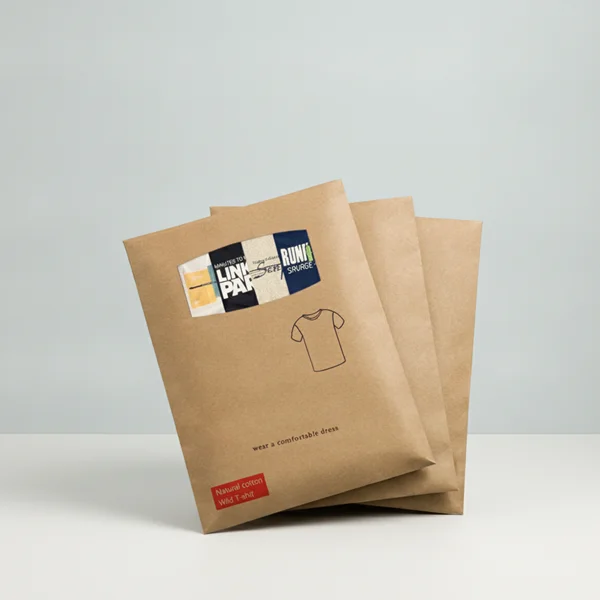
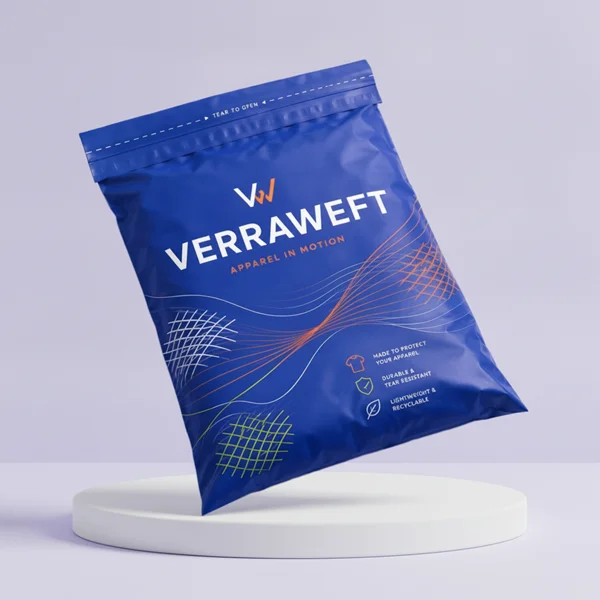
Customization turns functional shipping packaging into a recognizable part of a customer order. Logos, brand colors, printed graphics, labels, sizing, and finishing details help businesses maintain visual consistency throughout their packaging. Matte, gloss, and decorative effects further influence presentation when the selected finish suits the bag material and artwork.
Apparel branding can continue from the package to the garment itself. Clothing hang tags extend visual identity through product information, brand details, and printed elements attached directly to clothing. Consistent visual elements create a more connected presentation from the shipping package to the apparel inside.
Benefits of Apparel Bags for Shipping
Lightweight construction keeps clothing orders compact while providing a dedicated enclosure around folded garments. Flexible packaging accommodates different garment profiles without the fixed walls associated with rigid packaging. Appropriate sizing also supports a neater presentation by reducing unnecessary empty space around the clothing.
Small and medium apparel businesses benefit from treating shipping packaging as both a fulfillment decision and a customer-facing touchpoint. Material, dimensions, closure, printing, and presentation work best when planned as connected packaging elements. Product-focused planning creates a shipping format that better reflects how garments are packed, handled, delivered, and presented.
Get a Quote for Custom Apparel Shipping Bags
Turn your apparel packaging requirements into shipping bags built around your garments and brand presentation. Choose the size, material, bag style, closure, and branding details that match your clothing products. Our team will help you review the available customization options and prepare your packaging order.
Ready to discuss your custom apparel shipping bags? Request a Quote or Contact Us with your product details to get started.
| Stock Status | In Stock (Customization Required) |
| Dimensions | All Custom Sizes & Shapes |
| Printing | CMYK, PMS, No Printing |
| Paper Stock | 10pt to 28pt (60lb to 400lb) — Kraft, Corrugated, Bux Board, Cardstock |
| Quantities | 100 – 500,000 |
| Coating | Gloss, Matte, Spot UV |
| Default Process | Die Cutting, Gluing, Scoring, Perforation |
| Options | Window Cut, Gold/Silver Foiling, Embossing, Raised Ink, PVC Sheet |
| Proof | Flat View, 3D Mockup, Physical Sample (on request) |
| Turnaround Time | 4–6 Business Days (Rush available) |
Available Materials & Finishes
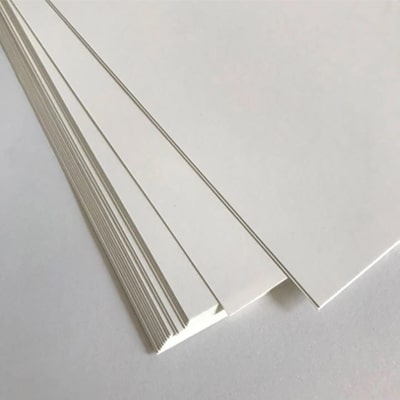
Cardboard C1S
The front side of the paper is coated in a soft matte-like coating, although the back of the paper is not coated.
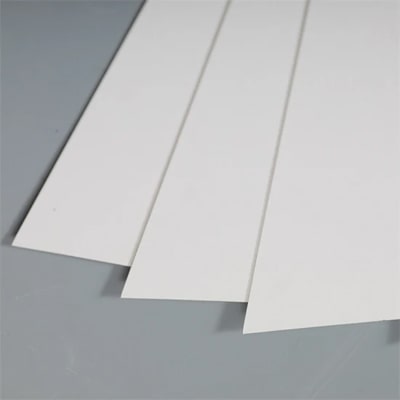
Cardboard C2S
Both sides of the paper are coated with a soft matt-like coating.
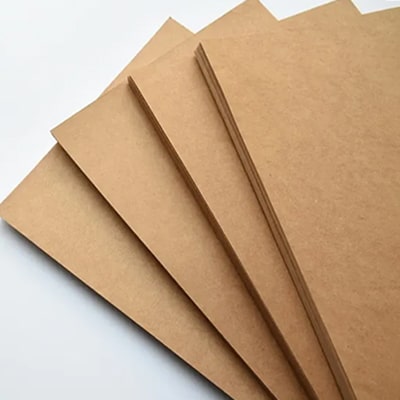
Natural Brown Kraft
It is typically used in packaging to be eco-friendly and rustic as it is an unbleached, brown paper.
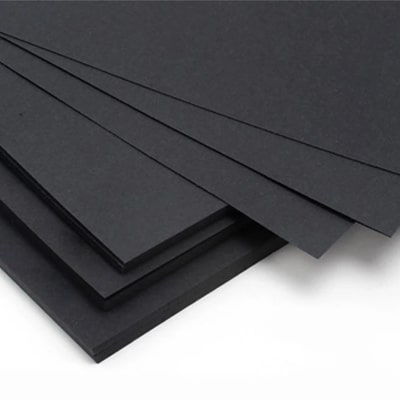
Black Kraft
Black Kraft is made up of Kraft that has been dyed black, and it is often used to pack sophisticated and elegant products.
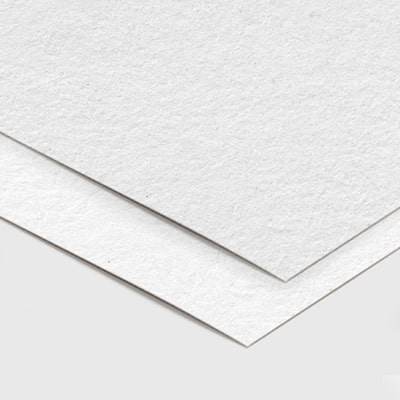
White Kraft
This is a paper which is made from brown paper that has been bleached or covered with a coating in order to make it white.
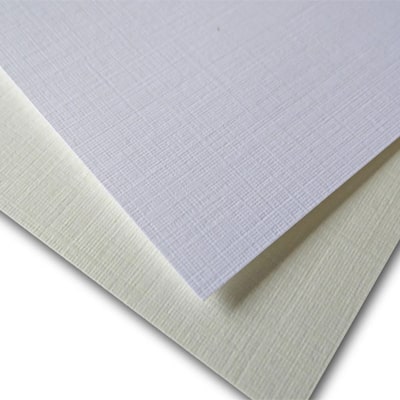
Textured Cardboard
Provides a unique look and feel, which is commonly used in high-end packaging.

Metallic Cardboard
For premium packaging, specialty printing, or decoration, it appears shiny and reflective and has a metallic finish.
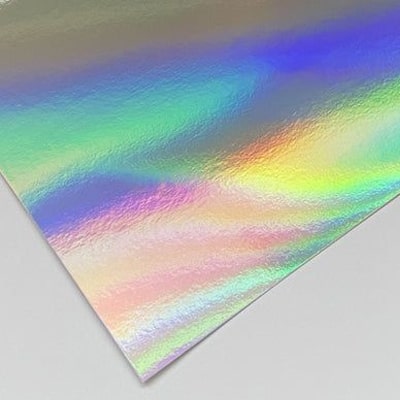
Holographic Cardboard
When exposed to light, it appears three-dimensional, shifting in colors, and creating a multi-dimensional appearance.

Gloss Finish
A surface treatment that creates a shiny, reflective appearance as well as a smooth texture on printed materials, which is applied to printed materials.

Matte Finish
By using this finish, printed materials are given a subtle, elegant, and smooth appearance without any hint of glare or shine.

Soft Touch Finish
A velvety and tactile texture creates an indescribable feeling of luxury, comfort, and smoothness to the touch.

Pearlescent Finish
This effect creates an illusion of a soft, glowing sheen, as if it was a pearl, which enhances the appeal of the material.
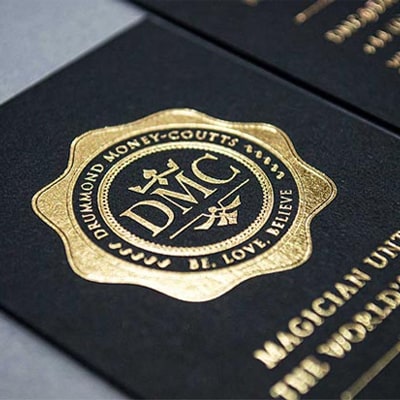
Foiling
This method of printing produces decorative and shiny effects by using metallic foils or pigmented foils on a surface.

Embossing
In addition to the raised surface design, it adds the effect of a three-dimensional and tactile experience to the product.
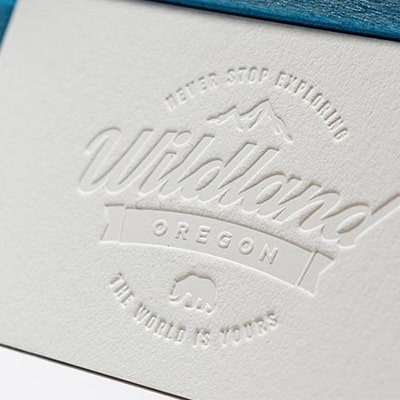
Debossing
Basically, it is the process of pressing a design into a surface, thereby creating an effect that is depressed or indented.

Spot UV
UV varnishes are clear varnishes that use ultraviolet light to enhance the appearance of your products.
FAQs
The right packaging bag depends on garment size, thickness, presentation requirements, and the conditions expected during shipping. Flexible mailers suit many soft, non-fragile clothing products because their lightweight structure keeps apparel orders compact.
Poly mailers are commonly used for soft, non-fragile products such as clothing. Garment characteristics, mailer dimensions, closure quality, and shipping requirements should guide the final packaging decision.
Poly mailer dimensions should accommodate the size and thickness of the garment after folding. A suitable fit leaves enough room for practical packing without creating excessive unused space around the clothing.
Poly mailers provide a flexible format for garments that do not require rigid structural support. Boxes provide greater structure when maintaining shape, stacking, or creating a defined presentation has greater importance.
An inner garment bag provides a separate enclosure around folded clothing before placement inside the outer shipping package. The appropriate packaging layers depend on the garment, fulfillment process, outer packaging, and desired presentation.

Reviews
There are no reviews yet.