Electronics Packaging

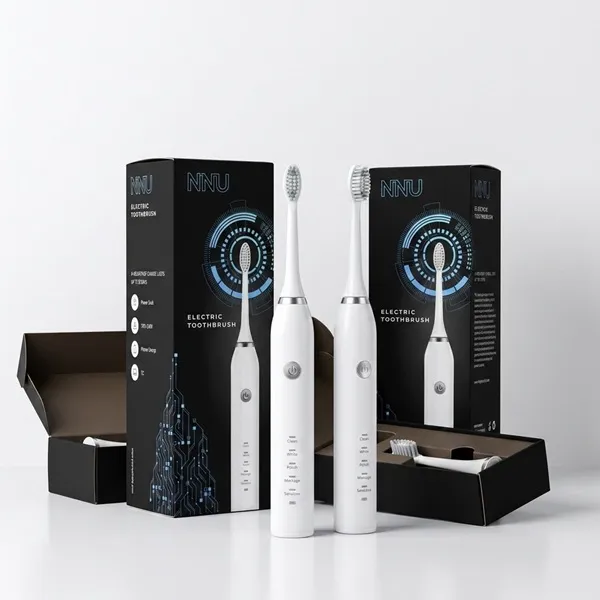
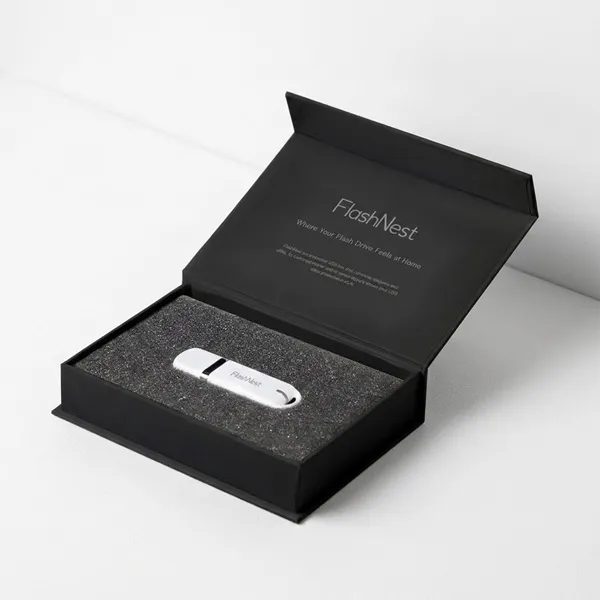
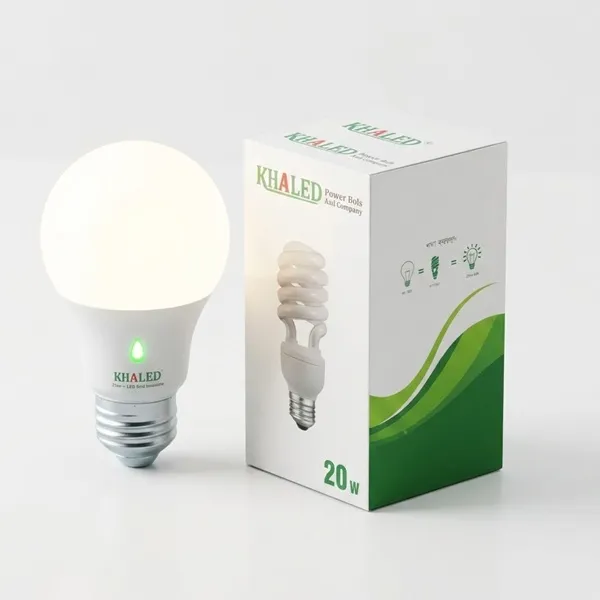
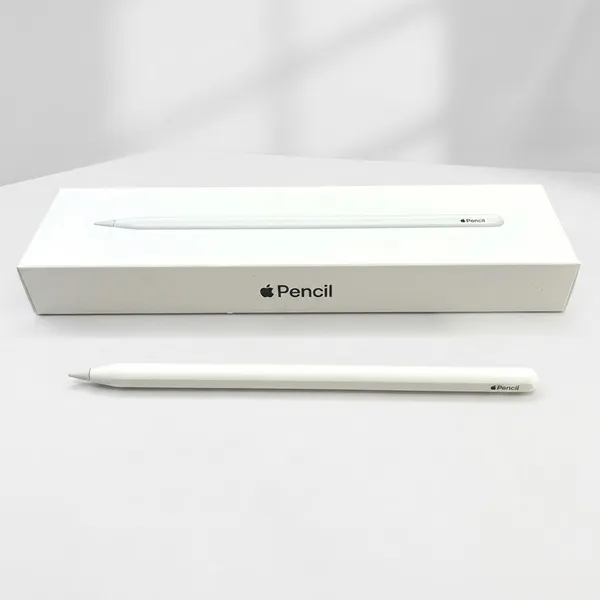
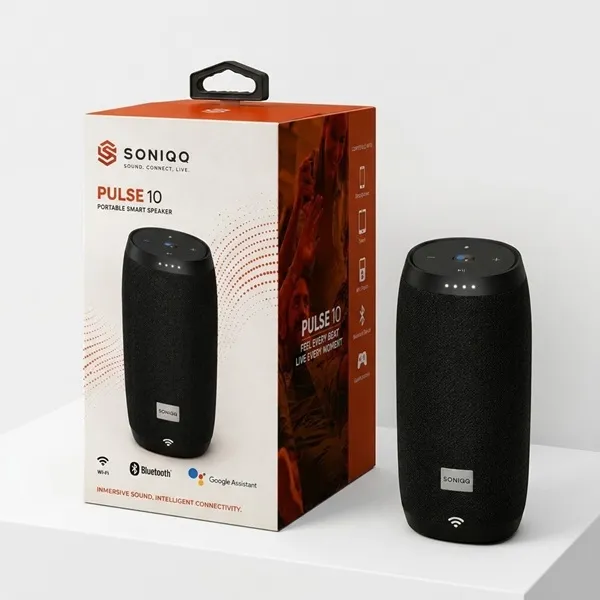
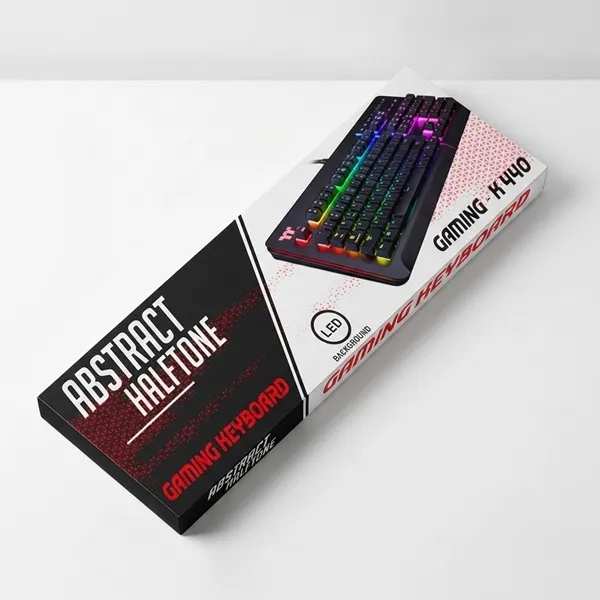
Electronic products require packaging that protects sensitive components while keeping devices and accessories organized throughout presentation, storage, and distribution. Electronics packaging combines product-specific fit, structural protection, and branded presentation within a package built around the electronic item. Accurate dimensions also limit unnecessary interior movement and create a cleaner product presentation.
Brands can personalize dimensions, box structures, materials, inserts, artwork, colors, and finishes according to their product requirements. Packaging specifications can accommodate compact accessories as well as larger electronic devices while maintaining a consistent branded appearance. Product-specific customization also creates a more deliberate retail display and unboxing experience.

Why Instant Boxes Hub
  • Order a Sample Box for $0.10
  • Fast Production & Reliable Delivery
  • Premium Quality Guaranteed
  • Free Shipping Across the United States
  • Free Design Support
  • Transparent Pricing – No Hidden Fees
Send Us Inquiry
Fill out this field
Please enter a valid email address.
Fill out this field
Fill out this field
Electronics Packaging
Quick Turnaround

QuickTurnaround

3d Design

FreeDesigning

Fast Delivery

Free
Shipping

Custom Boxes That Save You More Without Compromising Quality

Get in touch with Instant Boxes Hub today for premium custom packaging solutions at competitive prices.

Packaging for Different Electronic Products

Electronic products vary in size, weight, shape, fragility, and the number of components packed alongside the primary item. Product-specific packaging accounts for these differences instead of forcing different devices into the same standard structure. Instant Boxes Hub provides packaging for electronics ranging from compact accessories to larger devices.

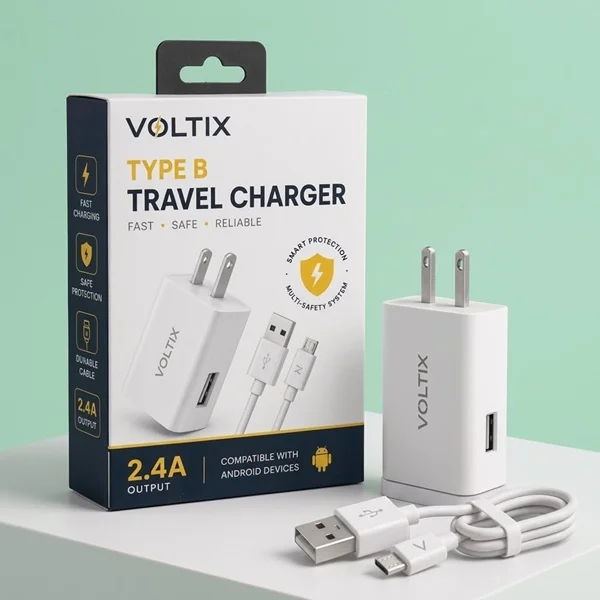
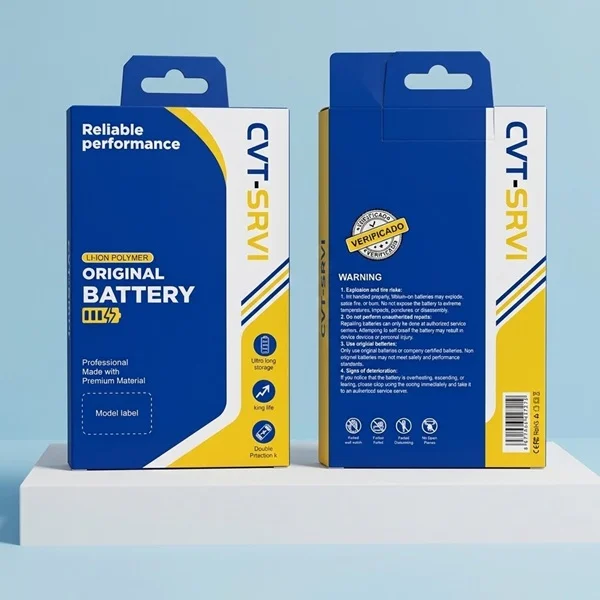
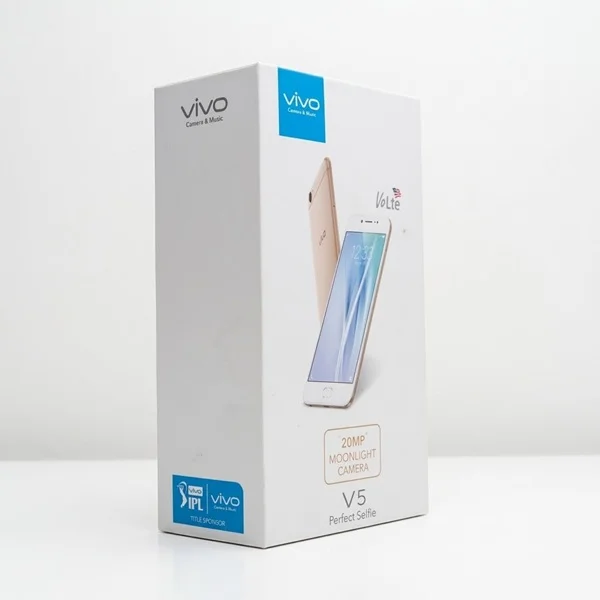
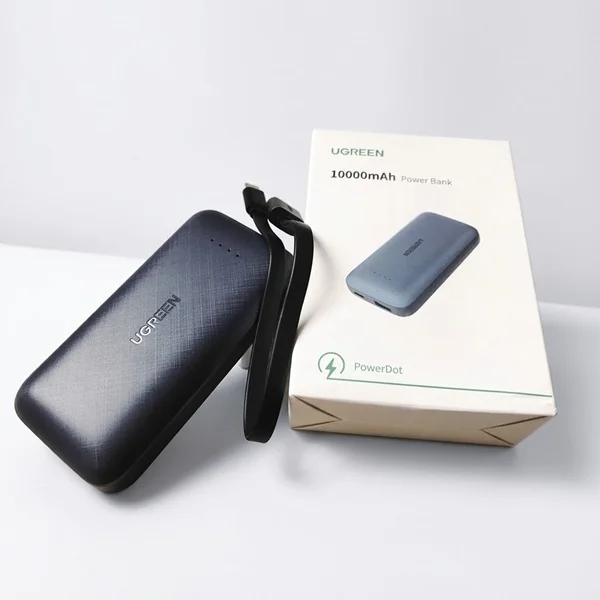
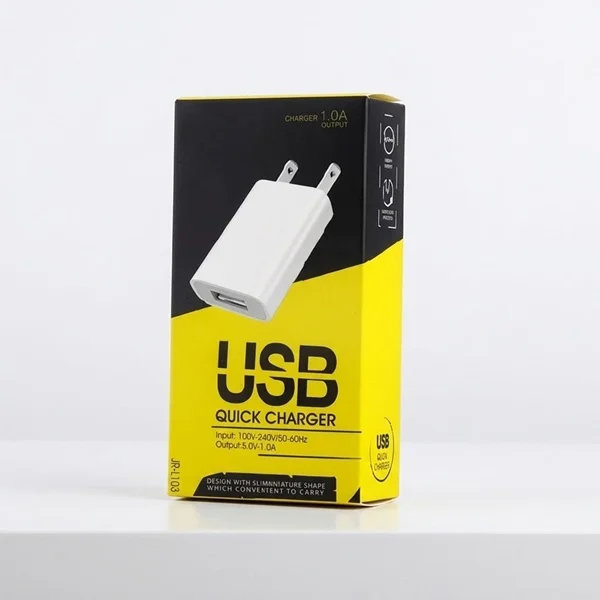
Mobile devices require precise dimensions and an organized interior for the primary product and accompanying components. Mobile phone packaging creates a compact presentation with room to customize the structure, artwork, materials, and internal arrangement. Chargers, mobile batteries, power banks, adaptors, and USB products require similarly precise packaging specifications based on their individual dimensions.

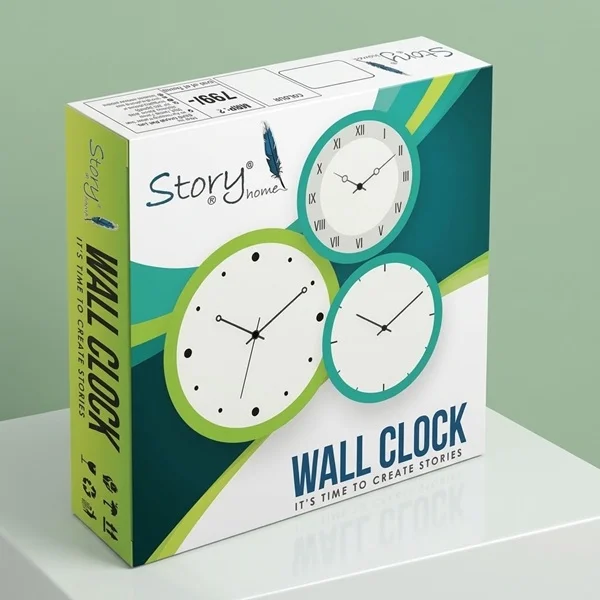
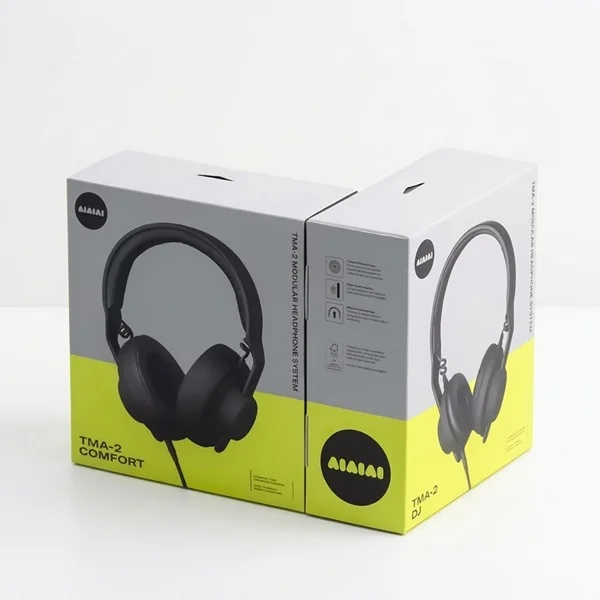
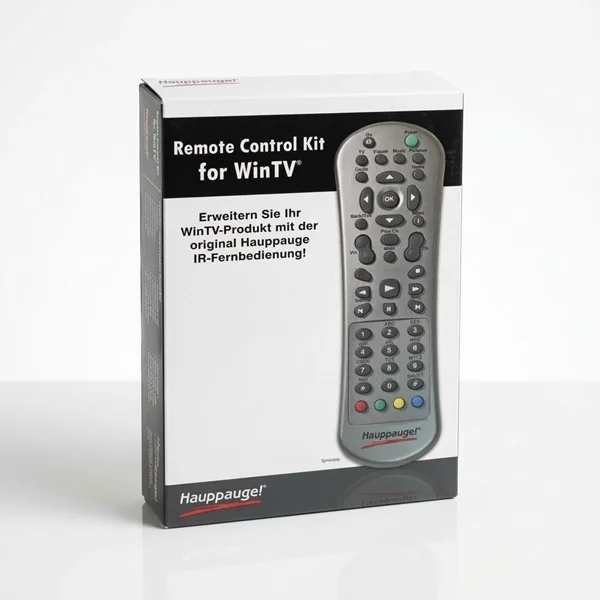
Audio, home, and computer electronics introduce different structural and presentation requirements. AirPods, headphones, speakers, remotes, electric toothbrushes, light bulbs, clocks, and keyboards vary considerably in shape and product configuration. Packaging tailored to these differences improves product fit while creating an appropriate branded presentation.

Protect Electronic Products With a Precise Fit

Product fit is one of the most important considerations when developing packaging for electronics. Excess interior space allows unnecessary movement, while an unsuitable box structure can weaken product stability and presentation. Accurate dimensions establish a more controlled interior around the electronic item.

Product weight and shape also influence structural requirements. Lightweight accessories have different packaging demands from larger electronic devices moving through storage, handling, and distribution. Packaging dimensions and construction should therefore reflect the physical characteristics of the product rather than relying on a generic box size.

Choose the Right Electronics Packaging Style

Box structure affects product fit, opening experience, presentation, storage, and distribution. Product dimensions, weight, retail requirements, and brand positioning help determine an appropriate structural direction. Different box formats also create distinct experiences for everyday accessories and premium electronic products.

Premium devices benefit from sturdy packaging that supports a refined exterior and organized interior. Rigid boxes provide a structured format for electronics where fitted presentation and a premium unboxing experience contribute to product positioning. Printed exterior surfaces further connect the packaging with the brand’s visual identity.

Folding and shipping-oriented structures address different packaging objectives. Compact retail electronics benefit from efficient presentation, while larger or distribution-focused products require construction appropriate to their weight and handling requirements. Structural decisions should reflect both the physical product and its intended journey.

Select Materials for Electronics Packaging

Packaging material influences structural strength, printing appearance, product presentation, and the overall feel of the box. Electronic products with different weights and distribution requirements require material choices based on practical packaging needs. Cardboard, corrugated stock, and rigid board provide different structural directions for electronic product packaging.

Cardboard supports lightweight products and print-focused retail presentation. Corrugated material provides greater structural support for larger products and distribution-focused applications. Rigid board creates a sturdy, presentation-led format for premium electronics where the packaging contributes to the perceived product experience.

Organize Devices and Accessories

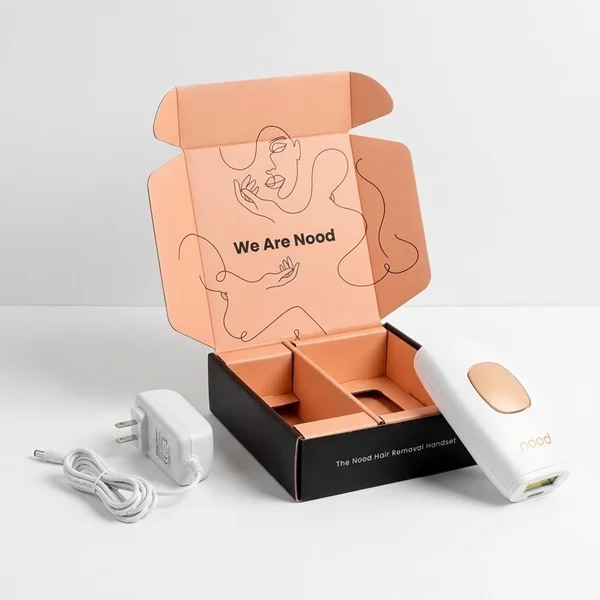
Electronic products frequently include more than the primary device. Chargers, cables, adaptors, manuals, batteries, and other accessories affect how the interior space should be arranged. A defined internal layout keeps these components organized and creates a more deliberate presentation when the package is opened.

Custom inserts provide dedicated positions for individual components when included in the packaging specification. Insert dimensions should correspond with the product dimensions and usable interior space of the box. A coordinated box-and-insert layout creates a cleaner separation between the device and its supporting accessories.

Customize Size, Structure, and Branding

Customization connects physical product requirements with brand presentation. Box dimensions establish the fit, while structure and material determine how the package feels and performs. Artwork, colors, logos, and finishing details complete the customer-facing visual identity.

Brand consistency becomes particularly valuable when a business sells several related electronic products. Coordinated design elements create visual continuity across packaging for devices, accessories, audio products, and power products. Individual box specifications can change while the broader packaging identity remains recognizable.

Printing and Finishing Options

Printing turns the exterior of electronic product packaging into a branded customer touchpoint. Logos, product information, graphics, instructions, and other visual elements should remain clear within the available print area. Artwork placement should account for folds, closures, edges, and structural features before production.

Finishing details influence texture, appearance, and perceived product positioning. Matte, gloss, and other available finishing treatments can support understated, vibrant, or premium presentation goals. Final finishing choices should complement the artwork, packaging material, and intended visual identity.

Electronics Packaging for Retail and Shipping

Retail packaging places greater emphasis on presentation, recognizable branding, product information, and the opening experience. Shelf-facing electronics also benefit from dimensions and structures that present the product clearly without excessive empty space. Consistent graphics connect individual products with the wider brand range.

Shipping requirements place greater emphasis on structure, fit, handling, and product movement during distribution. Larger or heavier electronics require packaging decisions that reflect their physical characteristics and expected journey. Appropriate construction and internal organization create a more controlled packaging configuration for fulfillment and delivery.

How to Choose Electronics Packaging

The right electronics packaging depends on product dimensions, weight, components, presentation requirements, distribution method, quantity, and branding goals. Packaging decisions become clearer when these specifications are established before material, structure, printing, and finishing details are finalized. The following factors provide a practical framework for planning electronic product packaging.

Measure the Product

Accurate product measurements establish the interior space required for the primary electronic item. Businesses preparing specifications should understand how to measure box dimensions before finalizing the required length, width, and height. Measurements should also account for the intended internal arrangement rather than focusing only on the exterior box size.

Identify the Components

A complete component list determines how the available interior space needs to be organized. Chargers, cables, adaptors, manuals, batteries, and accessories can change the required dimensions even when the main device is compact. Component planning also helps establish whether separate internal positions are required.

Determine the Box Structure

Product size, weight, presentation, and distribution requirements influence structural selection. A premium retail device and a larger electronic item moving through fulfillment present different packaging requirements. Box structure should therefore reflect the product journey as well as its physical characteristics.

Select the Material

Material selection should reflect structural requirements, printing needs, presentation level, and product characteristics. Lightweight retail products and heavier shipped electronics do not necessarily require the same construction. Material decisions become more precise after the product dimensions and structural direction are established.

Plan the Branding

Branding should work with the packaging structure rather than being treated as a separate final step. Logos, colors, graphics, product information, and finishes require suitable printable areas and a clear visual hierarchy. Early artwork planning creates a more cohesive relationship between packaging construction and presentation.

Confirm the Quantity

Required quantity affects production planning and quotation details. Businesses should establish an approximate order volume before requesting pricing so quantity and packaging specifications can be reviewed together. Instant Boxes Hub also provides low minimum order quantities for businesses requiring more manageable production volumes.

Packaging Support for Electronics Businesses

Startups, established electronics brands, retailers, e-commerce businesses, manufacturers, and distributors have different packaging priorities. Smaller businesses may prioritize flexible quantities and branded presentation, while larger operations may focus on consistency across several product lines. Product-specific packaging gives each business greater control over dimensions, structure, presentation, and order requirements.

Instant Boxes Hub provides custom packaging solutions supported by design assistance, fast turnaround, free shipping, and a guarantee. Packaging specifications can be developed around product dimensions, quantity, structural preferences, artwork, and finishing requirements. Brand support remains focused on aligning the package with the electronic product and its intended presentation.

Prepare Your Electronics Packaging Specifications

A detailed packaging brief helps turn an initial idea into a more accurate production specification. Product dimensions, quantity, preferred box style, material, accessory layout, artwork, printing requirements, and finishing preferences provide useful information for quotation and planning. Clear specifications also reduce uncertainty when several customization decisions are involved.

Businesses without finalized packaging specifications can begin with the electronic product itself. Device measurements, product photographs, accessory details, branding files, and the intended retail or shipping application provide a practical foundation for discussing the package. Design assistance helps develop the packaging presentation around those requirements.

Let’s Build Packaging Around Your Electronics

Electronic products deserve packaging planned around their dimensions, components, presentation, and distribution requirements. Share your product size, required quantity, preferred structure, artwork, and finishing details with Instant Boxes Hub for packaging guidance and pricing. Request a Quote, Contact Us, or Call us to discuss your electronics packaging requirements.

Anti Scratch Lamination
Enhance product protection with premium anti-scratch lamination packaging.

Aqueous Coating
Aqueous Coating
Get Sustainable, water-based aqueous coating for superior print protection.

Lamination
Natural Brown Kraft
It is typically used in packaging to be eco-friendly and rustic as it is an unbleached, brown paper.
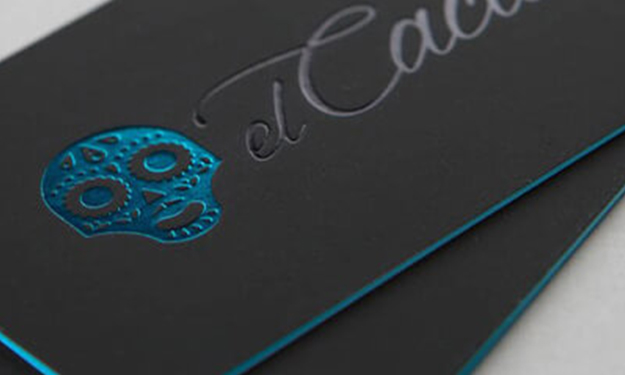
Soft Touch, Silk Lamination
Give your packaging a luxurious look with soft-touch lamination, silk lamination.
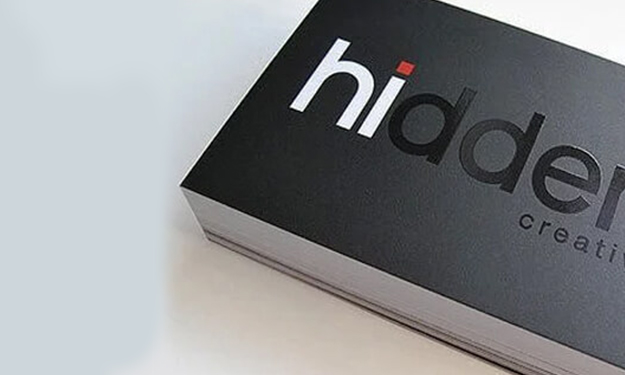
Soft Touch Coating
Soft Touch Coating
Upgrade packaging quality with luxurious soft-touch coating for a delightful feel.
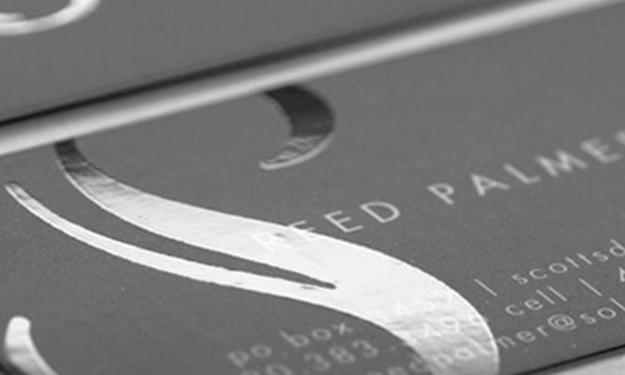
Spot Gloss UV
Spot Gloss UV
Make packaging designs shine with spot gloss UV for eye-catching contrast.

UV Coating
UV Coating
Protect packaging prints with durable, glossy UV coating for long-lasting quality.

Varnish
Varnish
Transform ordinary packaging into extraordinary with a sleek varnish finish.
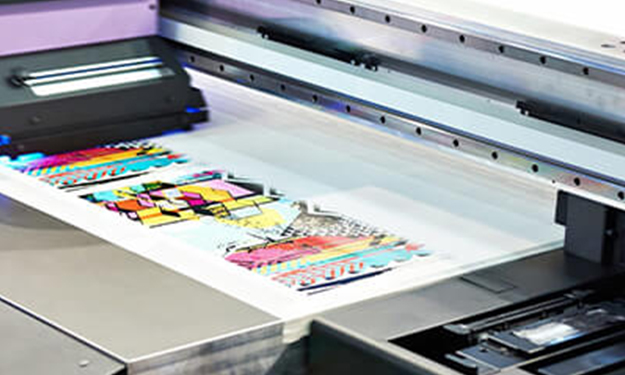
Digital Printing
Digital Printing
Elevate brand image with high-quality digital printing for product packaging.
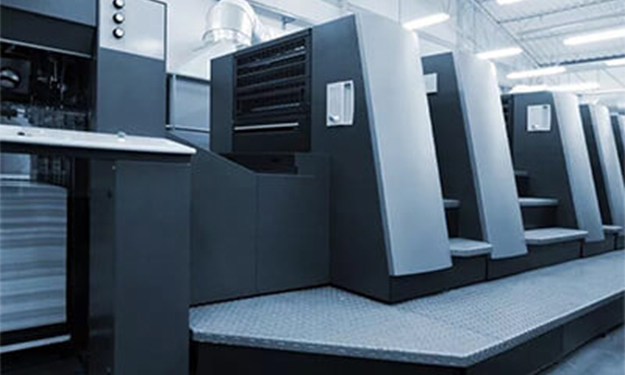
Offset Printing
Offset Printing
Avail best offset printing process, which produces vibrant and precise results.

Oil Based Inks
Oil Based Inks
Print with durability and richness using oil-based inks for long-lasting color.
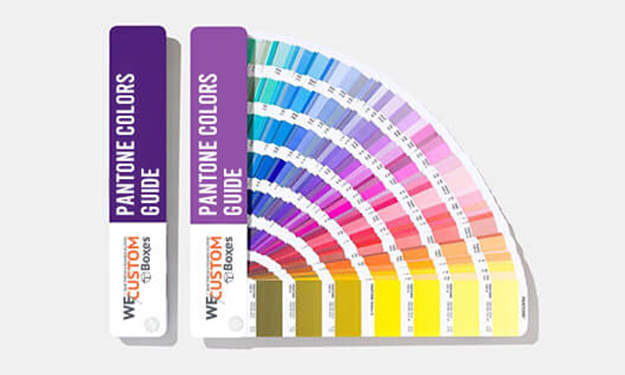
Pantone Colors
Pantone Colors
Get accurate color representation with Pantone colour-matching for boxes.
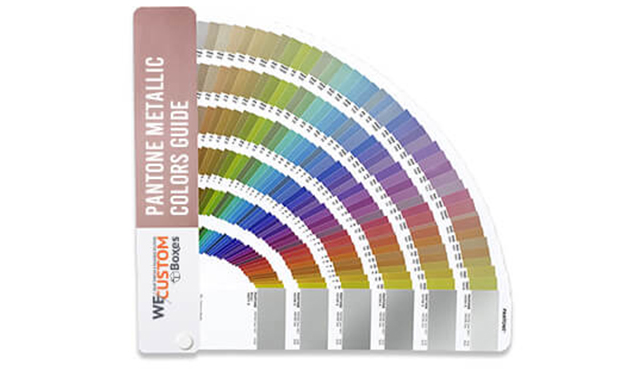
Pantone Metallic Colors
Get shimmer and luxury with Pantone metallic colors for your boxes.

Soy Vegetable Based Colors
Employ eco-friendly printing with soy-based vegetable inks for packaging Items.
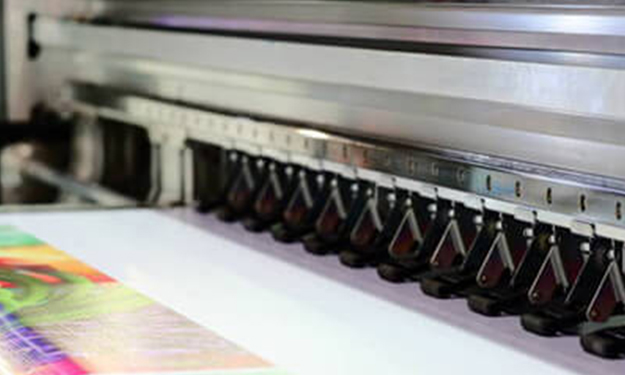
UV Printing
UV Printing
Get the best UV printing for your boxes at WeCustomBoxes.

Water Based Ink
Water Based Ink
Get reliable, eco-friendly printing with water-based ink for your packaging.

Blind Debossing
Blind Debossing
Add a subtle, elegant touch with blind debossing for a lasting impression.

Blind Embossing
Blind Embossing
Get a stunning, three-dimensional effect with blind embossing for packaging.

Cold Foil Printing
Cold Foil Printing
Get a metallic shine with cold foil printing for premium packaging.

Combination Embossing
Achieve a unique, multi-dimensional effect with combination embossing for boxes.

Hot Foil Printing
Hot Foil Printing
Avail eye-catching metallic finish with hot foil printing for your boxes.
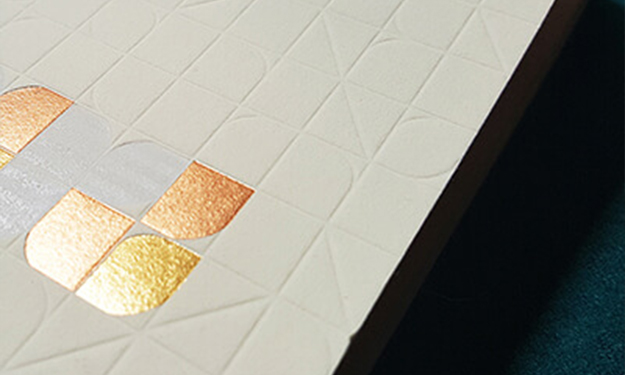
Registered Embossing
Get precise, intricate detail with registered embossing for your packaging solutions.

Window Patching
Window Patching
Enhance product visibility with window patching for packaging displays.
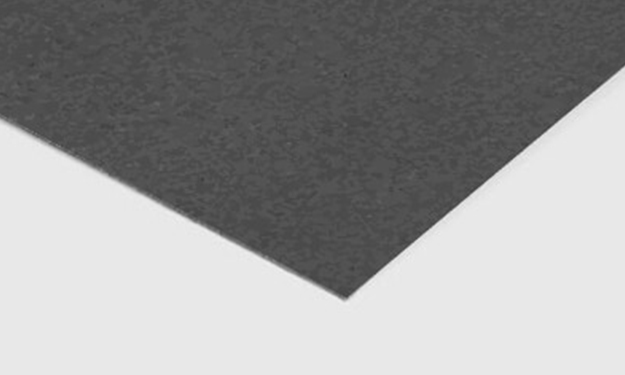
Black Kraft
Black Kraft
Get rustic, earthy look with black kraft paper for your packaging.
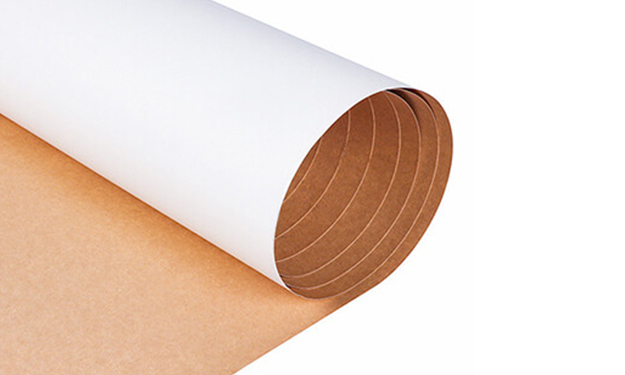
Clay Coated Kraft Back
Only choose Durable clay-coated kraft back for packaging solutions.

Clay Natural Kraft
Clay Natural Kraft
Create a natural, organic look with clay natural kraft paper for packaging.

Holographic Paper
Holographic Paper
Get sparkle and shine with holographic paper for your eye-catching packaging.

Metallic Paper
Metallic Paper
Enhance product appeal with metallic shine on packaging using metallic paper.

Natural Brown Kraft
Natural Brown Kraft
Get eco-friendly packaging with elegant natural brown kraft paper.
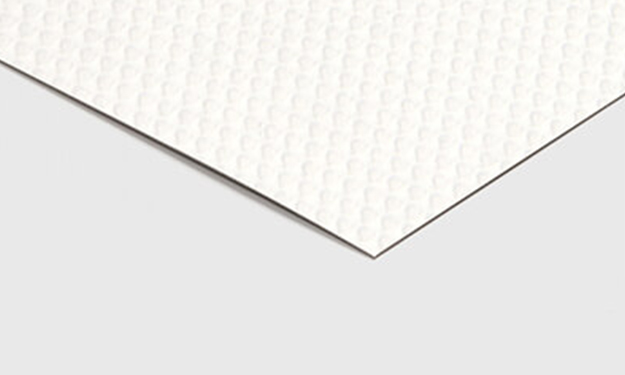
Textured Paper
Textured Paper
Avail unique and tactile look with textured paper for brand packaging.
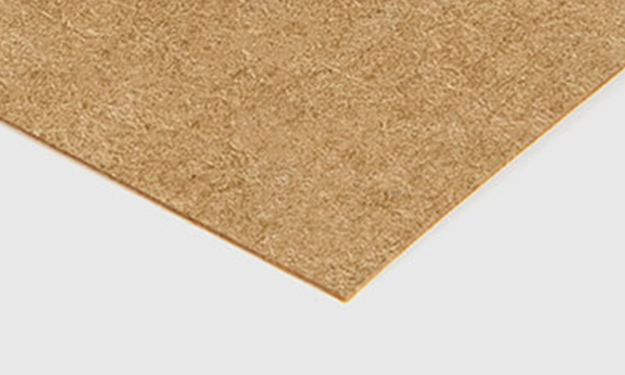
Uncoated Unbleached Kraft
Add a touch of simplicity to packaging with uncoated unbleached kraft.

White Kraft
White Kraft
Get Eco-Friendly White Kraft Packaging: Durable, Customizable, and Reliable.

Bleached White Board
Make packaging stand out with bright finish using bleached white board.

Kemi White Board
Kemi White Board
Featuring a clean, polished look for packaging with Kemi white board.

Natural Kraft Board
Natural Kraft Board
Consider a natural Kraft board to display authenticity in packaging design.

Oyster White Board
Oyster White Board
Use Oyster White Board for crisp, clean and striking packaging.
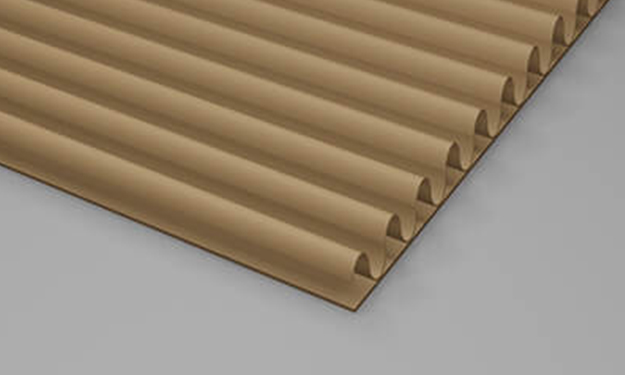
A Flute
A Flute
Always prefer A-flute for robust and sturdy packaging solutions.
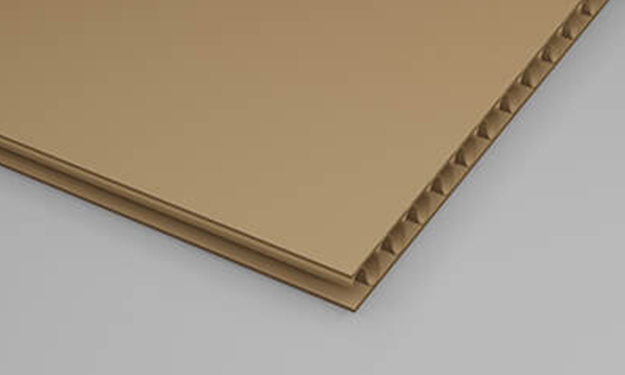
B Flute
B Flute
Avail optimal balance of strength and flexibility with B-flute for packaging.
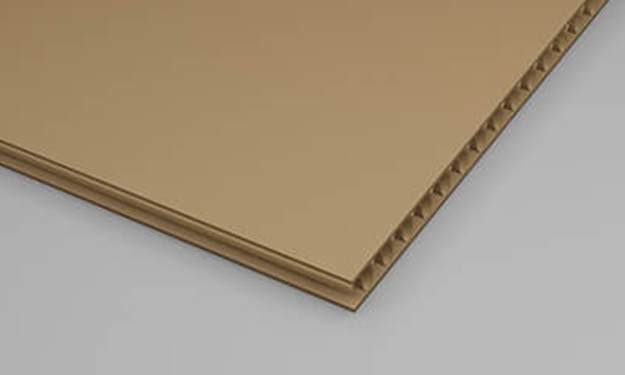
C Flute
C Flute
Get superior cushioning and protection with C-flute for packaging.
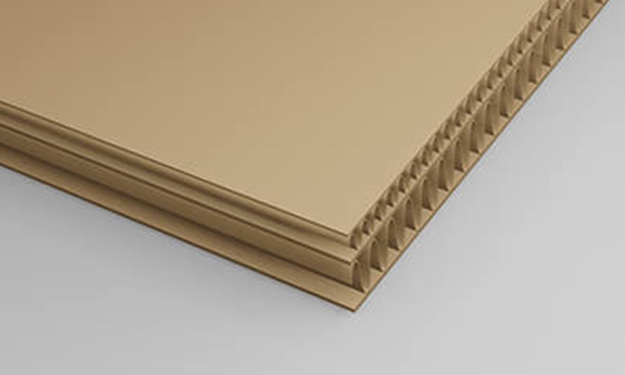
Double Wall
Double Wall
Choose double-wall packaging for heavy-duty shipping and storage boxes.
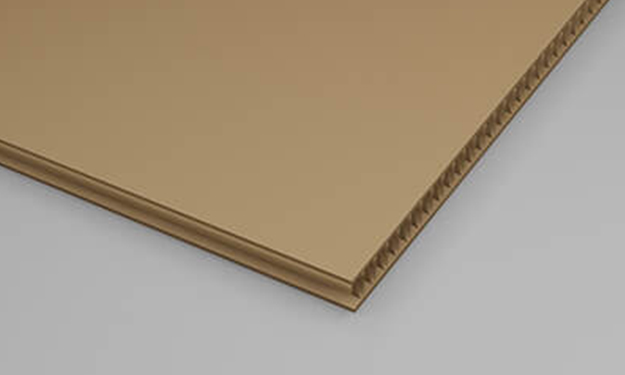
E Flute
E Flute
Reduce packaging weight and waste with E-flute packaging solutions.
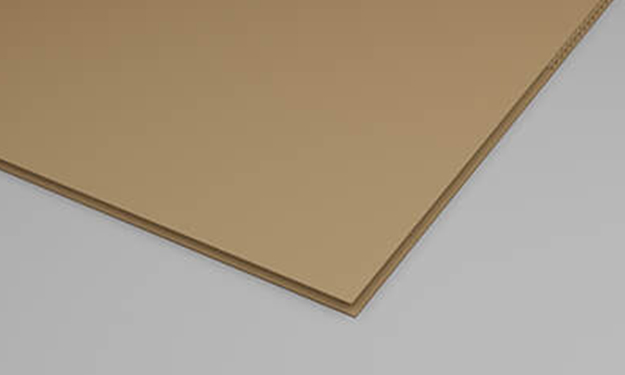
F Flute
F Flute
F-flute provides excellent stacking strength for high-volume shipping boxes.
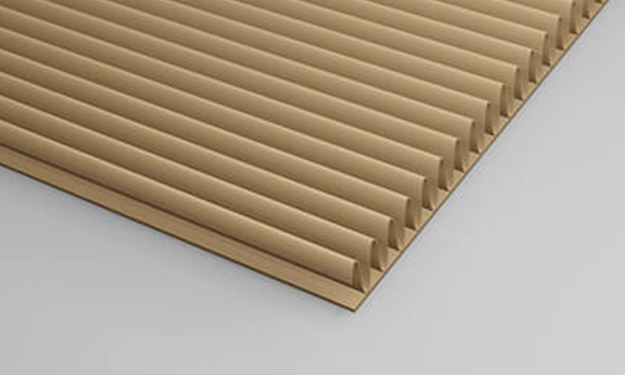
Single Face
Single Face
Choose a single face for economy and versatility in packaging.
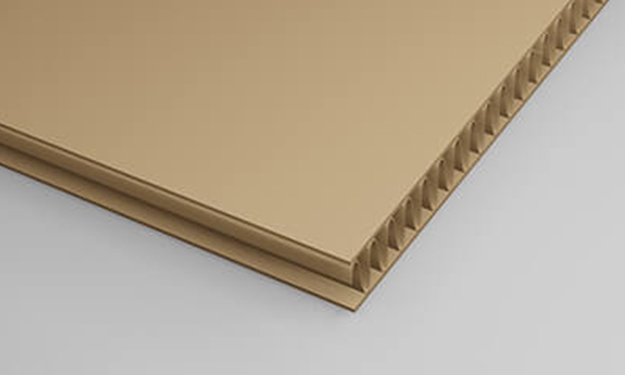
Single Wall
Single Wall
Go with a single wall for reliable and sturdy packaging solutions.
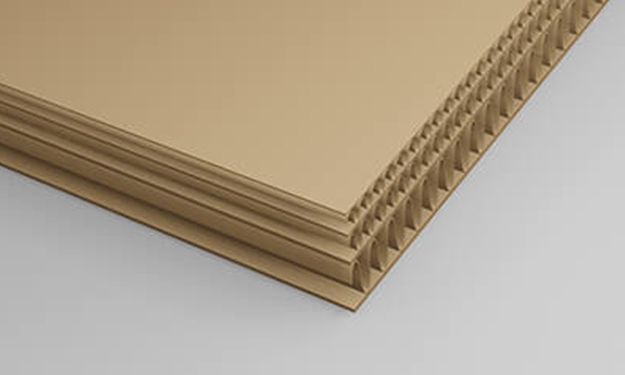
Tripple Wall
Tripple Wall
Looking for ultimate protection? Triple Wall is best for you.

Duplex Chipboard
Duplex Chipboard
We always offer High-Quality Duplex Chipboard for Durable Packaging Solutions.
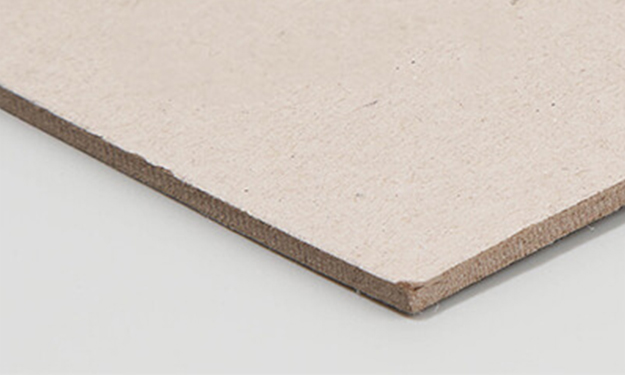
Grey Chipboard
Grey Chipboard
WCB provides a very High-quality, durable, and eco-friendly grey chipboard.

FAQs

Electronics packaging protects, organizes, presents, stores, and ships electronic products and their accessories. The right packaging depends on product size, weight, components, presentation, and distribution requirements.
Cardboard, corrugated material, and rigid board are suitable for different electronic packaging requirements. The right material depends on product weight, box structure, presentation, and shipping needs.
Measure the electronic product and every component that will be packed inside the box. The final dimensions should provide enough space for the device, accessories, documentation, and inserts without excessive empty space.
Yes, electronic devices and their accessories can share one package when the interior is planned around the complete product set. Custom inserts can keep devices, chargers, cables, manuals, and other components organized in dedicated positions.
Share your product dimensions, quantity, preferred box style, material, artwork, printing, finishing, and insert requirements. Product photos and accessory details can also help when the final packaging structure has not been decided.