
Get in touch with Instant Boxes Hub today for premium custom packaging solutions at competitive prices.
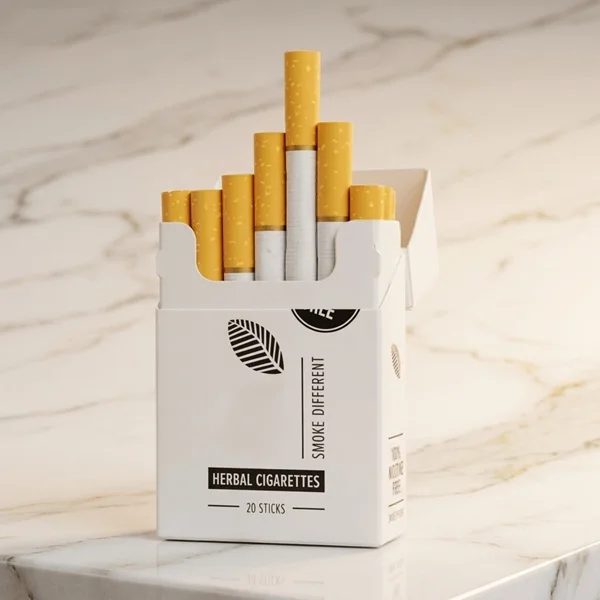
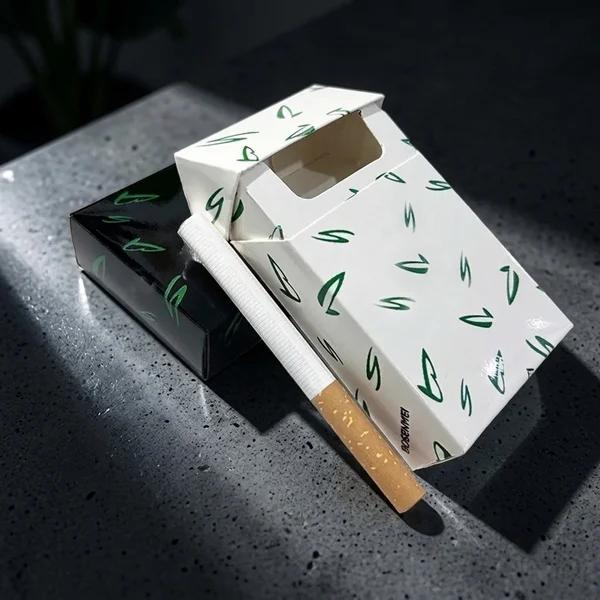
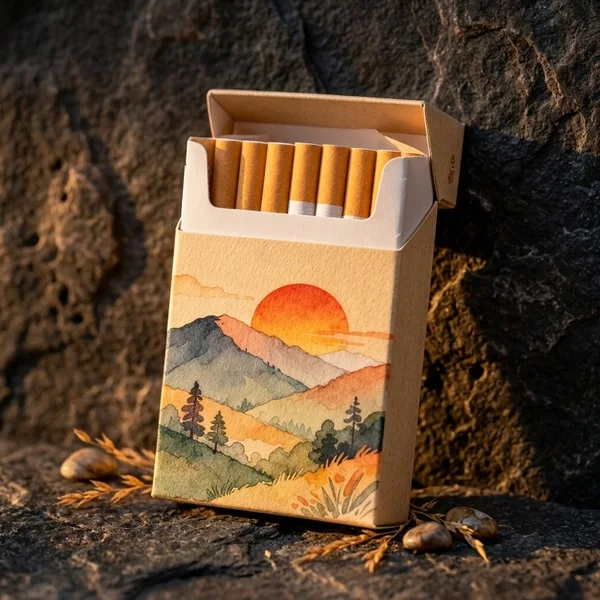
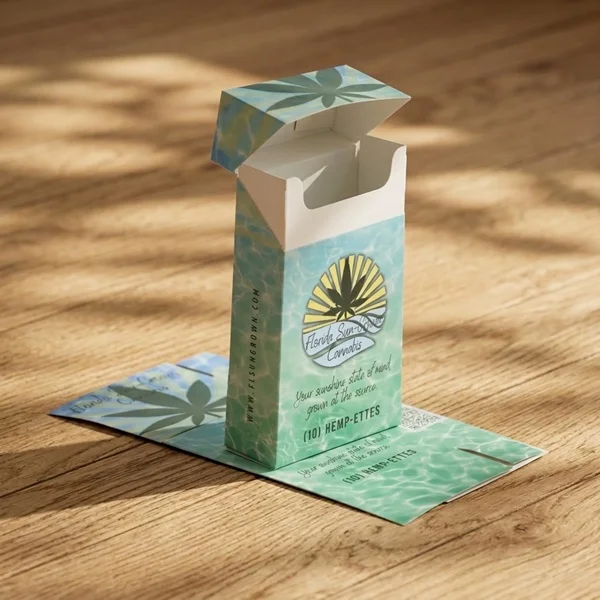
Cardboard Cigarette Boxes
Get Your Free Quote
Custom Boxes That Save You More Without Compromising Quality
Packaging designed for every cigarette product
No single packaging structure performs equally well for every cigarette product. Pack dimensions, product quantity, handling frequency, and merchandising requirements all influence how a cardboard box should be developed before production begins. Designing packaging around these practical considerations helps improve product stability while reducing unnecessary material usage and making packing operations more efficient.
Retail packaging requirements also vary between product ranges. Some businesses require packaging that prioritizes shelf presentation, while others focus on shipping efficiency or wholesale distribution. These differences are why many cigarette manufacturers use Cardboard Boxes as the foundation of their packaging systems, selecting structures that best support individual products instead of relying on a single box style for every application.
Choose the right box style for your packaging
The structural style of a cigarette box influences product protection, customer experience, and production efficiency. Flip-top constructions provide convenient everyday access while maintaining product security, whereas tuck-end styles offer a practical solution for products requiring straightforward assembly and reliable closure. Selecting the appropriate style before production helps ensure the packaging performs consistently throughout storage, transportation, and retail display.
Some product ranges require packaging that offers additional protection or a more premium presentation. In these situations, a fully enclosed Retail Boxes solution can provide greater structural support while creating a stronger shelf presence for branded cigarette products.
Cardboard materials that protect every pack
Material selection determines how well packaging performs during manufacturing, shipping, and retail handling. Lightweight paperboard provides an excellent surface for detailed printing, while stronger cardboard constructions are better suited to products exposed to repeated handling or longer distribution routes. Choosing the correct board according to product requirements helps maintain packaging quality without adding unnecessary weight or material costs.
Print quality should also influence board selection. The smooth surface used for White Cardboard Boxes produces sharper logos, cleaner typography, and more consistent colour reproduction, making it particularly suitable for cigarette packaging where branding and product identification play an important role.
Printing that supports brand recognition
Packaging artwork should be planned alongside the box structure rather than added after the packaging has already been designed. Panel dimensions, fold lines, and closure styles all influence where logos, product information, barcodes, QR codes, and mandatory packaging details should be positioned. Planning these elements together helps maintain artwork accuracy while ensuring important information remains visible after the carton is folded and assembled.
Print quality also depends on production consistency. Accurate colour reproduction, sharp typography, and correctly aligned graphics strengthen brand recognition while making product variants easier to identify during warehouse handling, retail stocking, and inventory management. Coordinating structural design with print production creates packaging that performs efficiently without compromising its visual presentation.
Finishes that complement your packaging design
Packaging finishes should be selected according to both the product and the environment in which the packaging will be handled. Matte coatings reduce surface glare and fingerprint marks, while gloss finishes enhance colour vibrancy and provide additional resistance against light abrasion during storage and transportation. Selecting the appropriate finish helps preserve the appearance of the packaging from production through retail display.
Decorative enhancements such as foil stamping, embossing, debossing, and spot UV are most effective when they highlight specific branding elements rather than covering the entire package. Applying these finishes selectively creates a premium appearance while maintaining production efficiency and a balanced packaging design.
Protection designed for storage and transportation
Product protection begins with structural accuracy rather than additional packaging materials. Accurate die-cutting, controlled folding tolerances, and secure panel alignment help cartons maintain their shape from production through distribution, reducing the risk of product movement during handling. Protective inserts should only be introduced when product characteristics genuinely require additional support, allowing businesses to improve protection without increasing unnecessary material consumption.
Packaging should also support efficient warehouse operations. Cartons that assemble consistently, stack securely, and maintain dimensional accuracy help improve packing productivity while reducing interruptions during fulfilment, palletisation, and transportation.
Packaging requirements change across retail environments
Retail packaging and wholesale packaging rarely perform the same role. Products displayed individually on retail shelves are expected to communicate the brand clearly and maintain a professional appearance, while packaging prepared for larger distribution networks must also withstand repeated handling, stacking, and transportation. Designing the packaging around its intended sales environment helps businesses achieve better operational performance without compromising presentation.
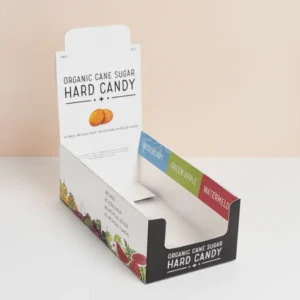
Retail merchandising often extends beyond the individual product pack. When products are displayed at checkout counters or promotional locations, Cardboard Display Boxes help organise multiple units while maintaining consistent branding and improving product visibility across the retail environment.
Why businesses choose Instant Boxes Hub
Every packaging project begins by understanding how the product will be manufactured, packed, stored, transported, and presented before recommending a structural solution. Our team reviews product dimensions, handling requirements, branding objectives, and distribution methods to determine the most appropriate board, structure, and print specification before production begins. This practical approach helps reduce packaging revisions, improve production consistency, and deliver Cardboard Cigarette Boxes that perform reliably throughout the entire supply chain rather than simply meeting dimensional requirements.
Let’s discuss your packaging requirements
Packaging decisions influence manufacturing efficiency, warehouse operations, transportation performance, and retail presentation long before a product reaches the customer. Call us or request a custom quotation to discuss your packaging requirements with our specialists. We’ll recommend a Cardboard Cigarette Boxes solution developed around your product specifications, operational requirements, and branding objectives to help you invest in packaging that performs reliably throughout the supply chain.
| Stock Status | In Stock (Customization Required) |
| Dimensions | All Custom Sizes & Shapes |
| Printing | CMYK, PMS, No Printing |
| Paper Stock | 10pt to 28pt (60lb to 400lb) — Kraft, Corrugated, Bux Board, Cardstock |
| Quantities | 100 – 500,000 |
| Coating | Gloss, Matte, Spot UV |
| Default Process | Die Cutting, Gluing, Scoring, Perforation |
| Options | Window Cut, Gold/Silver Foiling, Embossing, Raised Ink, PVC Sheet |
| Proof | Flat View, 3D Mockup, Physical Sample (on request) |
| Turnaround Time | 4–6 Business Days (Rush available) |
Available Materials & Finishes
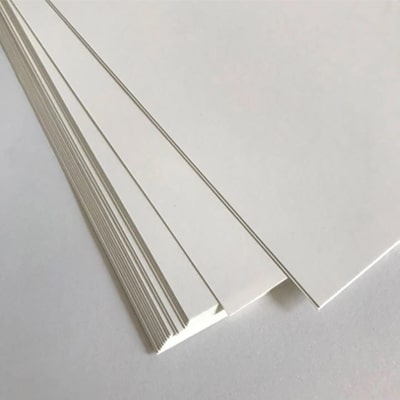
Cardboard C1S
The front side of the paper is coated in a soft matte-like coating, although the back of the paper is not coated.
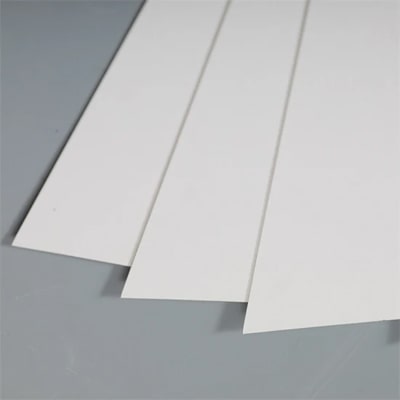
Cardboard C2S
Both sides of the paper are coated with a soft matt-like coating.
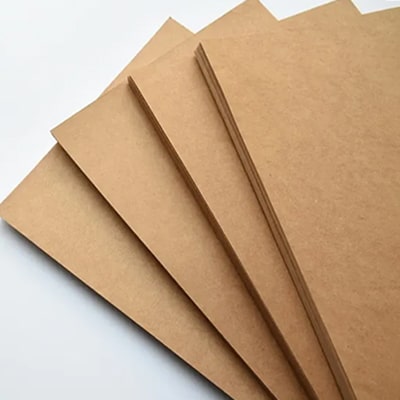
Natural Brown Kraft
It is typically used in packaging to be eco-friendly and rustic as it is an unbleached, brown paper.
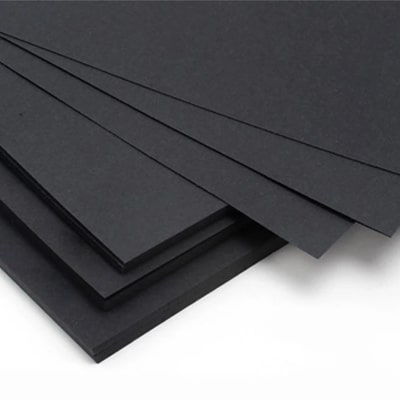
Black Kraft
Black Kraft is made up of Kraft that has been dyed black, and it is often used to pack sophisticated and elegant products.
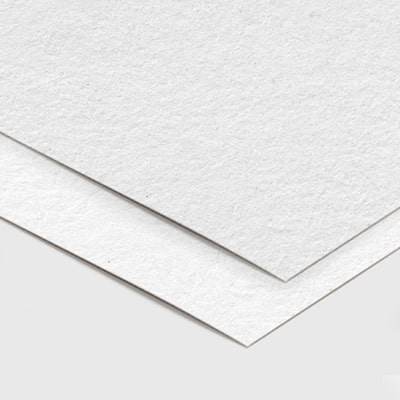
White Kraft
This is a paper which is made from brown paper that has been bleached or covered with a coating in order to make it white.
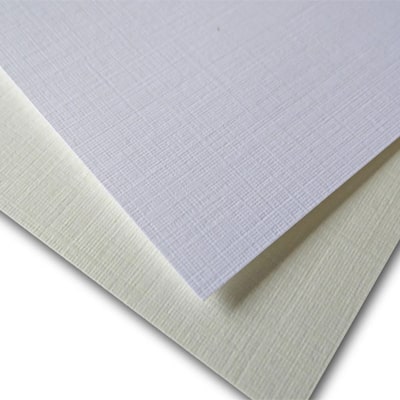
Textured Cardboard
Provides a unique look and feel, which is commonly used in high-end packaging.

Metallic Cardboard
For premium packaging, specialty printing, or decoration, it appears shiny and reflective and has a metallic finish.
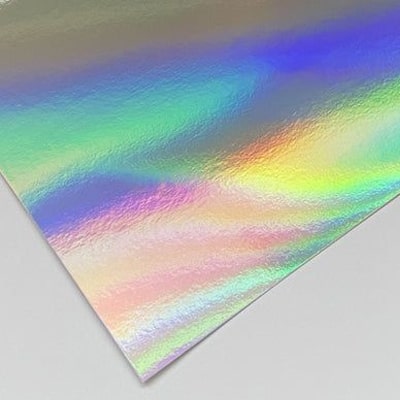
Holographic Cardboard
When exposed to light, it appears three-dimensional, shifting in colors, and creating a multi-dimensional appearance.

Gloss Finish
A surface treatment that creates a shiny, reflective appearance as well as a smooth texture on printed materials, which is applied to printed materials.

Matte Finish
By using this finish, printed materials are given a subtle, elegant, and smooth appearance without any hint of glare or shine.

Soft Touch Finish
A velvety and tactile texture creates an indescribable feeling of luxury, comfort, and smoothness to the touch.

Pearlescent Finish
This effect creates an illusion of a soft, glowing sheen, as if it was a pearl, which enhances the appeal of the material.
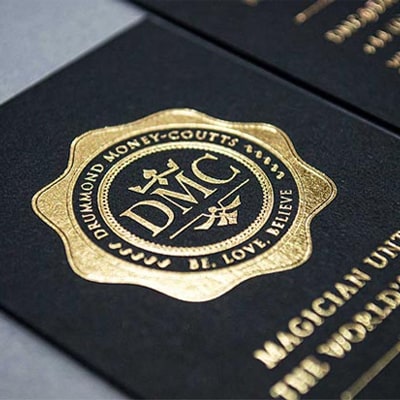
Foiling
This method of printing produces decorative and shiny effects by using metallic foils or pigmented foils on a surface.

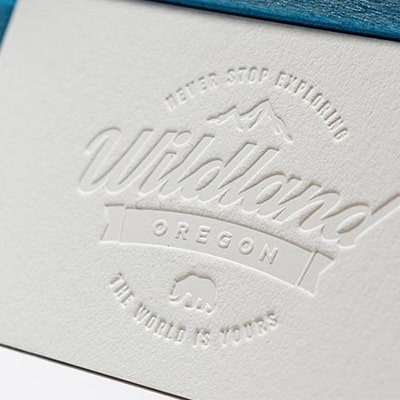
Embossing
In addition to the raised surface design, it adds the effect of a three-dimensional and tactile experience to the product.
Debossing
Basically, it is the process of pressing a design into a surface, thereby creating an effect that is depressed or indented.

Spot UV
UV varnishes are clear varnishes that use ultraviolet light to enhance the appearance of your products.
FAQs
Cardboard Cigarette Boxes are commonly manufactured from paperboard or cardboard selected according to the required level of product protection, print quality, and handling performance. The most suitable material depends on how the packaging will be manufactured, distributed, and displayed.
Yes. Cardboard Cigarette Boxes can be manufactured in custom dimensions, structural styles, printing designs, and finishing options to match specific branding and packaging requirements. Packaging can also be developed around individual product specifications to improve production efficiency and presentation.
The appropriate board depends on factors such as product weight, print expectations, handling conditions, and distribution requirements. Selecting the correct material helps balance structural performance, manufacturing efficiency, and brand presentation without adding unnecessary material costs.
Most cardboard cigarette boxes manufactured from paper-based materials are recyclable when processed through appropriate local recycling systems. Material selection should always consider both packaging performance and the intended disposal or recycling route.

Reviews
There are no reviews yet.