Get in touch with Instant Boxes Hub today for premium custom packaging solutions at competitive prices.

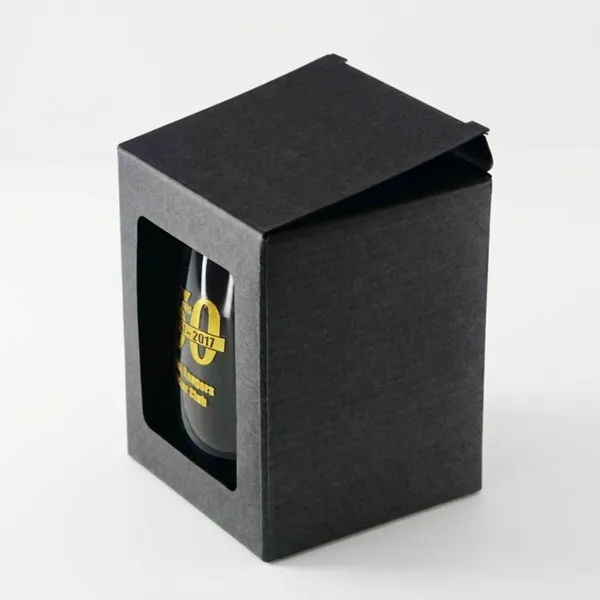

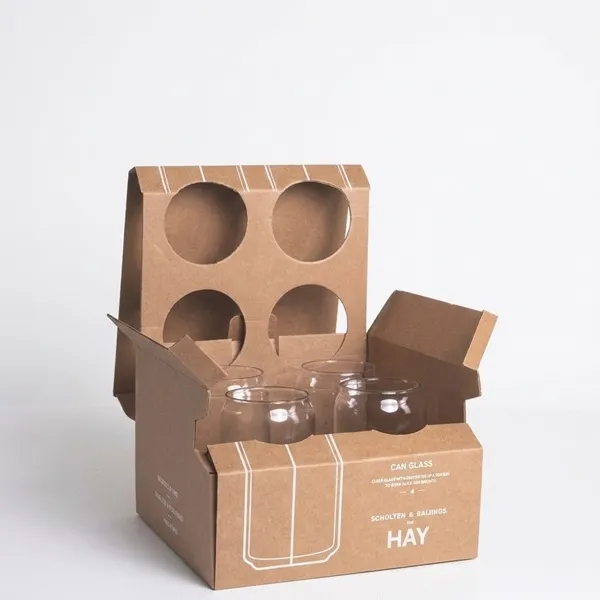
Glassware Boxes
Get Your Free Quote
Custom Boxes That Save You More Without Compromising Quality
Build Glassware Packaging Around the Product
Custom Glassware Boxes work best when the structure reflects the size, shape, weight, and quantity of the products inside. Secure packaging starts with understanding where a glass item requires support and how much interior movement needs to be restricted. Instant Boxes Hub develops glassware solutions within the wider kitchenware packaging range for businesses that need protection and branded presentation in one package.
Glassware packaging also supports more than physical protection. Printed surfaces provide room for logos, product details, handling information, and other brand elements that help businesses create a consistent customer experience. Accurate sizing and suitable interior components bring those visual and functional requirements together.
Match the Structure to Your Glassware
Glassware shape plays an important role in determining the appropriate packaging configuration. Stemware has a different profile from tumblers, while sets containing several pieces require separation between individual items. Product measurements and packing quantity therefore need to guide the structural layout.
Wine glasses and other stemware require attention around the bowl, stem, and base when establishing the interior fit. Tumblers and drinking glasses have a more compact profile but still require controlled movement inside the package. Multi-piece sets benefit from organized compartments that keep individual products separated throughout handling.
Control Movement With Inserts and Dividers
Protective interiors add another layer of control between fragile products and the outer box. Insert selection should reflect the glass shape, number of pieces, presentation requirements, and level of internal separation required. Cardboard dividers, fitted inserts, and cushioning materials each serve a different packaging purpose.
Cardboard Dividers
Cardboard dividers separate individual glasses within multi-piece packaging and reduce direct glass-to-glass contact. Divider layouts also organize each product into a defined compartment. Fragile dining products such as collector plate shipping boxes follow a similar principle where separation and restricted movement contribute to a more secure packing arrangement.
Fitted Inserts
Fitted inserts hold products in defined positions and create a more organized presentation when the package opens. Precise cutouts work particularly well when product placement forms part of the unboxing experience. Insert dimensions should account for the actual glass profile rather than relying only on external box dimensions.
Protective Cushioning
Protective cushioning provides additional support around fragile areas where extra impact absorption is required. Foam cushioning provides closer interior support for glassware configurations where additional impact absorption is important. Product weight, shape, and shipping conditions should guide the final interior setup.
Choose Materials for Your Glassware
Material selection should follow the product and fulfillment requirement. Corrugated board supports shipping-focused applications, cardstock suits lighter retail presentation, Kraft creates a natural paper appearance, and rigid board serves premium presentation where a more substantial structure is preferred. Product weight and protection requirements should remain central to the final choice.
Corrugated Board
Corrugated board provides a stronger structure for heavier products and shipping-focused applications. Fluted construction adds rigidity to the package and supports glassware that requires more substantial outer protection. Corrugated packaging also accommodates partitions for organized multi-piece sets.
Cardstock and Kraft
Cardstock provides a smooth printable surface for lighter retail packaging where presentation carries greater importance. Kraft delivers a natural paper appearance that works well with simple branding and understated packaging concepts. Product weight and protection requirements should still be evaluated before selecting either material.
Rigid Board
Rigid board creates a substantial presentation for premium glassware, gifting, and higher-end collections. Thick construction gives the package a more structured feel during handling and unboxing. Premium presentation becomes especially relevant when packaging forms part of the perceived value of the product.
Turn Protection Into Branded Presentation
Glassware packaging gives brands valuable surface area for communicating identity before the product is removed from the box. Logos, brand colors, product information, care details, and visual graphics transform functional packaging into a recognizable customer touchpoint. Coordinated custom tableware boxes extend the same visual identity across related dining collections.
Consistent packaging becomes particularly valuable for businesses selling several products under one brand. Typography, artwork, and finishing choices establish visual continuity while each package retains dimensions suited to the individual item. Clear artwork also keeps branding purposeful rather than overcrowding the package.
Add Printing and Finishing Details
Printing brings logos, graphics, instructions, and product information onto the packaging surface. Color selection should reflect the artwork and material chosen for the box while maintaining legibility and brand consistency. Instant Boxes Hub provides design assistance to help businesses prepare a cohesive packaging presentation.
Finishing details add visual or tactile emphasis to selected areas of the box. Foil stamping highlights logos, embossing or debossing introduces texture, and Spot UV creates contrast on selected printed elements. Matte or gloss finishes further shape the final appearance according to the intended presentation.
Size Glassware Boxes for a Secure Fit
Accurate sizing starts with the actual glassware rather than an assumed standard box dimension. Buyers should identify the product’s length or diameter, width, height, weight, number of pieces per box, and required interior components. Insert and divider dimensions then become part of the complete packaging measurement.
A closer structural fit helps limit unnecessary empty space while providing room for the selected protective components. Glassware with stems, handles, wide bases, or unusual profiles requires particular attention during measurement. Correct specifications also help the packaging team develop a more appropriate structural layout before production.
Package Glassware for the Right Sales Channel
Retail, ecommerce, and gift applications place different priorities on packaging. Retail packaging places greater emphasis on brand recognition and presentation, while ecommerce orders require careful attention to internal positioning and the broader shipping setup. Gift collections place stronger emphasis on organized presentation and the opening experience.
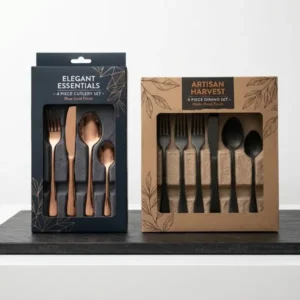
Dining-product brands may also maintain a coordinated appearance across glassware and custom cutlery boxes without forcing every product into the same structure. Consistent graphics and finishes create brand continuity while dimensions and interiors remain product-specific. Separation between visual identity and structural requirements keeps packaging both recognizable and practical.
What to Share Before Ordering Glassware Boxes
A useful packaging quote starts with accurate product and order information. Glassware dimensions, product weight, quantity, number of pieces per box, preferred material, insert requirements, artwork, and finishing preferences give the packaging team a clearer project brief. Complete specifications also reduce uncertainty when determining the appropriate configuration.
Instant Boxes Hub supports small and medium businesses with low MOQ, fast turnaround, free shipping, design assistance, and a guarantee. Business quantities allow brands to develop packaging around their own products rather than adapting fragile glassware to a generic stock box. Buyers can discuss structural and branding requirements before moving forward with production.
Let’s Build the Right Fit for Your Glassware
Glassware dimensions and packaging goals are the best place to begin. Share your product measurements, quantity, artwork, and insert requirements with Instant Boxes Hub so the packaging configuration reflects both protection and presentation needs. Our team will help turn those specifications into branded glassware packaging prepared around your product.
| Stock Status | In Stock (Customization Required) |
| Dimensions | All Custom Sizes & Shapes |
| Printing | CMYK, PMS, No Printing |
| Paper Stock | 10pt to 28pt (60lb to 400lb) — Kraft, Corrugated, Bux Board, Cardstock |
| Quantities | 100 – 500,000 |
| Coating | Gloss, Matte, Spot UV |
| Default Process | Die Cutting, Gluing, Scoring, Perforation |
| Options | Window Cut, Gold/Silver Foiling, Embossing, Raised Ink, PVC Sheet |
| Proof | Flat View, 3D Mockup, Physical Sample (on request) |
| Turnaround Time | 4–6 Business Days (Rush available) |
Available Materials & Finishes
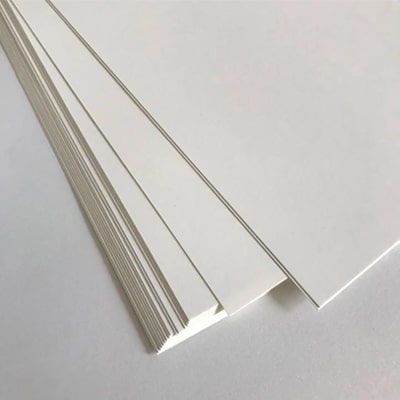
Cardboard C1S
The front side of the paper is coated in a soft matte-like coating, although the back of the paper is not coated.
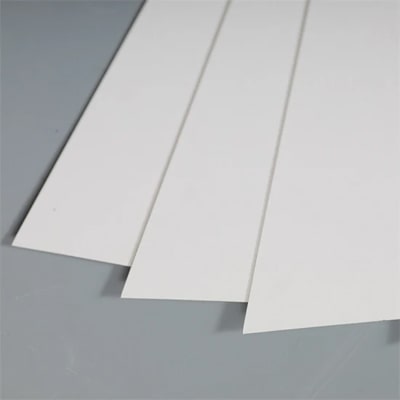
Cardboard C2S
Both sides of the paper are coated with a soft matt-like coating.
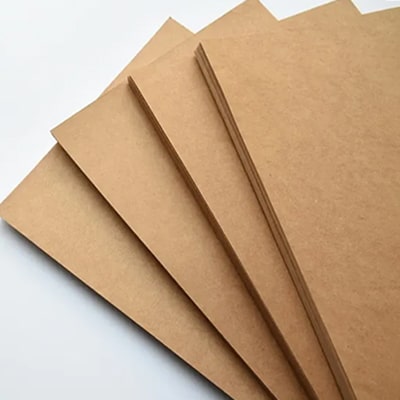
Natural Brown Kraft
It is typically used in packaging to be eco-friendly and rustic as it is an unbleached, brown paper.
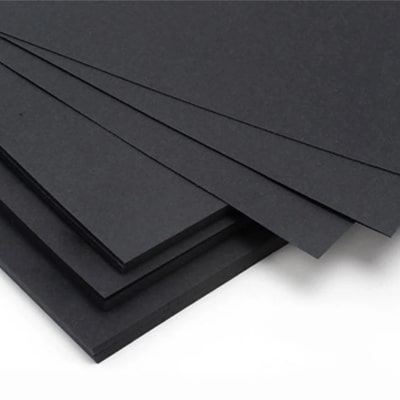
Black Kraft
Black Kraft is made up of Kraft that has been dyed black, and it is often used to pack sophisticated and elegant products.
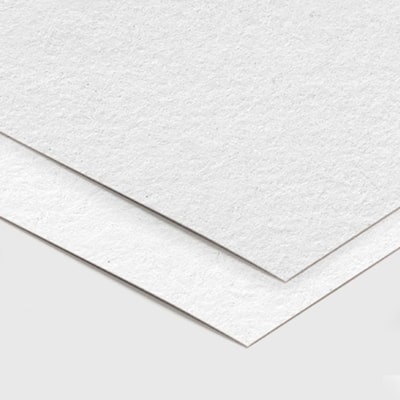
White Kraft
This is a paper which is made from brown paper that has been bleached or covered with a coating in order to make it white.
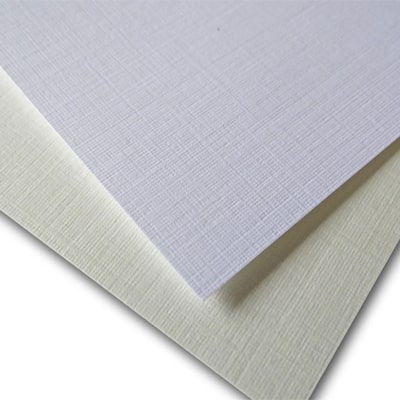
Textured Cardboard
Provides a unique look and feel, which is commonly used in high-end packaging.
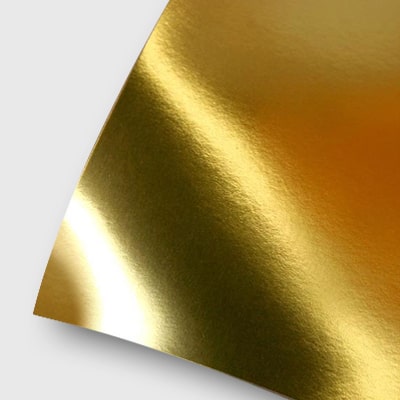
Metallic Cardboard
For premium packaging, specialty printing, or decoration, it appears shiny and reflective and has a metallic finish.
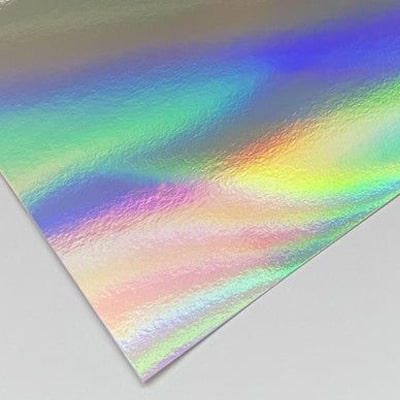
Holographic Cardboard
When exposed to light, it appears three-dimensional, shifting in colors, and creating a multi-dimensional appearance.
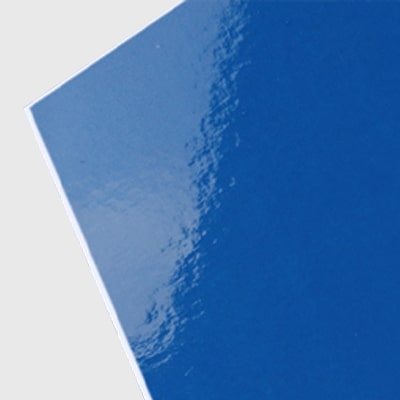
Gloss Finish
A surface treatment that creates a shiny, reflective appearance as well as a smooth texture on printed materials, which is applied to printed materials.

Matte Finish
By using this finish, printed materials are given a subtle, elegant, and smooth appearance without any hint of glare or shine.

Soft Touch Finish
A velvety and tactile texture creates an indescribable feeling of luxury, comfort, and smoothness to the touch.

Pearlescent Finish
This effect creates an illusion of a soft, glowing sheen, as if it was a pearl, which enhances the appeal of the material.
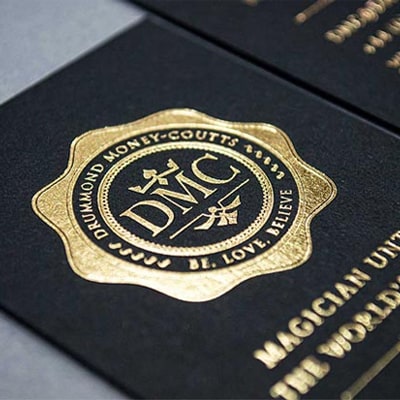
Foiling
This method of printing produces decorative and shiny effects by using metallic foils or pigmented foils on a surface.
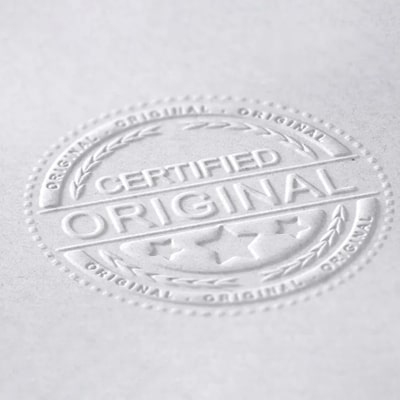
Embossing
In addition to the raised surface design, it adds the effect of a three-dimensional and tactile experience to the product.
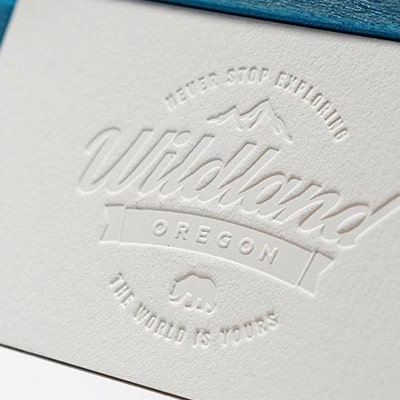
Debossing
Basically, it is the process of pressing a design into a surface, thereby creating an effect that is depressed or indented.
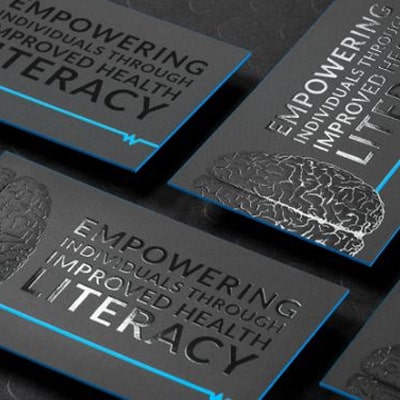
Spot UV
UV varnishes are clear varnishes that use ultraviolet light to enhance the appearance of your products.
FAQs
Corrugated board, cardstock, Kraft, and rigid board provide different combinations of strength and presentation. Product weight, glassware configuration, shipping requirements, and branding goals help determine the suitable material.
Yes. Custom dimensions allow the box structure and interior layout to reflect the shape and size of the glassware being packed.
Yes. Inserts and dividers help separate products, restrict movement, and organize individual pieces inside the box.
Logos, brand colors, graphics, and product information can be incorporated into the packaging design. Foil stamping, embossing, debossing, Spot UV, matte, and gloss treatments provide additional finishing options.
Instant Boxes Hub provides low-MOQ packaging options for businesses. Exact order requirements depend on the specifications and should be confirmed when requesting a quote.


Reviews
There are no reviews yet.